Introduction to Beginner’s Guide to Cannabis Cultivation
Cannabis is one of the most popular plants in the world, both for its medicinal properties and its psychoactive effects. As the demand for high-quality cannabis continues to grow, more and more people are turning to cannabis cultivation as a way to learn more about cannabis and enjoy the homegrown experience, plus save some money along the way.
Whether you are an experienced gardener or a complete novice, understanding the basics of cannabis cultivation is the key to growing healthy and productive plants. In this guide, we will take a look at the various factors that influence the growth and development of cannabis, and provide tips and tricks to help you get started.
Cannabis is a hardy and resilient plant that can grow in a variety of conditions, but to achieve optimal growth and potency, it is important to provide the right environment. Some of the most important factors that influence cannabis growth include light, temperature, humidity, and soil and nutrient requirements.
A. Light Requirements
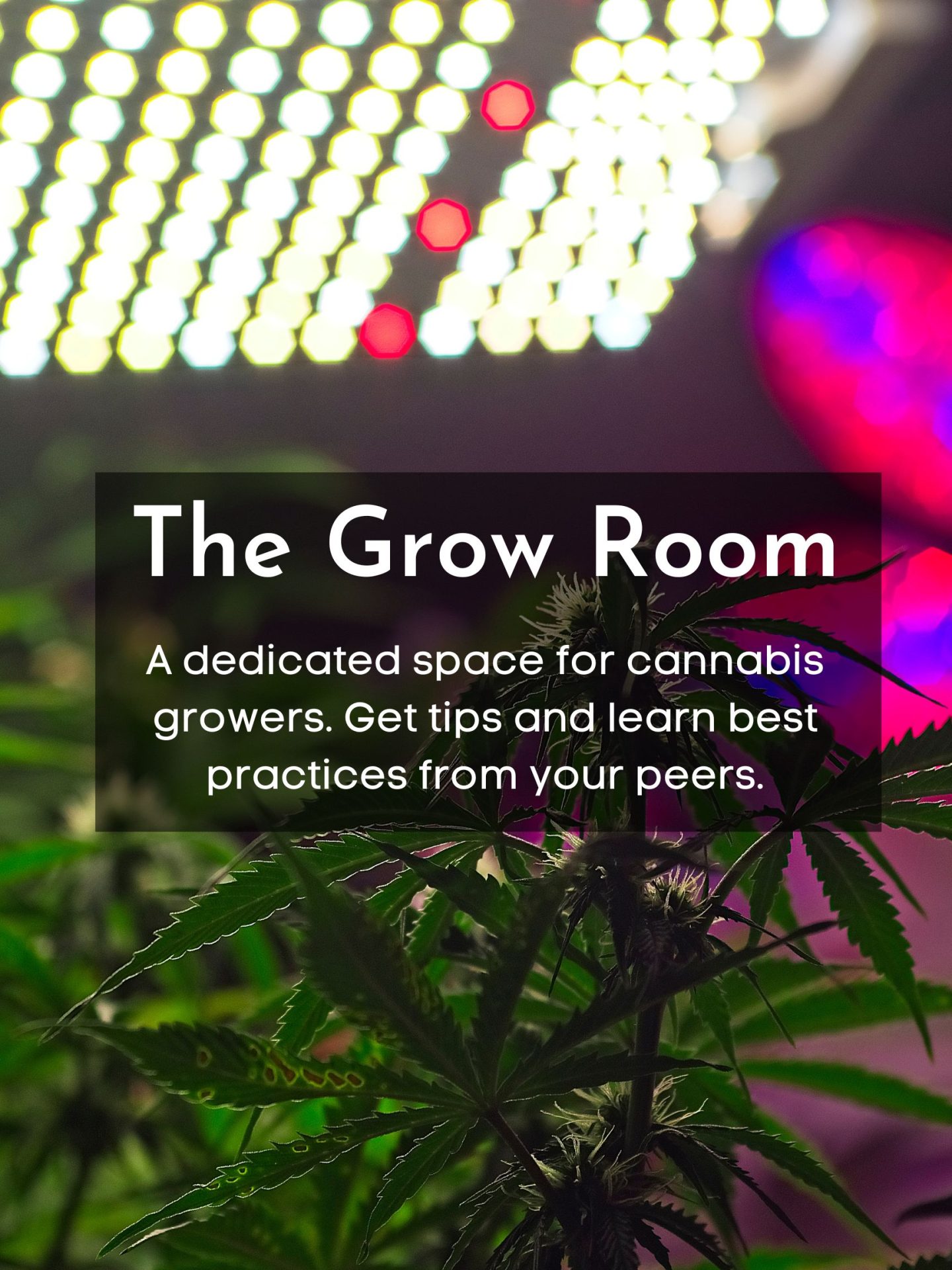
Cannabis plants require a significant amount of light to grow and produce buds, so it is essential to provide them with the right amount and intensity of light. During the vegetative stage, cannabis plants prefer a light cycle of 18-24 hours of light, followed by a 6-8 hour dark period. During the flowering stage, the light cycle should be reduced to 12 hours of light and 12 hours of darkness.
B. Temperature and Humidity
Cannabis plants prefer a warm and humid environment, with temperatures ranging between 70-85°F and relative humidity levels between 40-70%. Too high or too low temperatures can stress the plants and reduce yields, so it is important to maintain a stable and comfortable environment for your plants.
C. Soil and Nutrient Requirements
Cannabis plants are heavy feeders and require rich and fertile soil to grow healthy and productive. A good quality soil mix should contain a blend of compost, peat moss, and perlite, and should be well-drained to prevent waterlogging. During the growing season, cannabis plants will also require regular applications of fertilizer to ensure that they have the nutrients they need to grow and produce buds.
III. Choosing the Right Strain
One of the most important decisions you will make when growing cannabis is choosing the right strain. There are hundreds of different strains of cannabis, each with its own unique combination of genetics, flavours, aromas, and effects. Some strains are better suited for medicinal purposes, while others are ideal for recreational use.
When choosing a strain, consider the following factors:
THC and CBD levels: THC (tetrahydrocannabinol) is the primary psychoactive compound in cannabis, while CBD (cannabidiol) is non-psychoactive and has a range of medicinal properties. Different strains have different THC and CBD levels, so choose a strain based on your desired effects.
Growth pattern: Different strains have different growth patterns, including height, branching, and flowering time. Choose a strain that is appropriate for your grow setup and that will mature within your desired timeframe.
Climate and environment: Some strains are better suited to different climates and environments. For example, some strains thrive in humid, tropical climates, while others prefer dry, arid environments. Choose a strain that is appropriate for your local climate and environment.
Personal preference: Consider your personal preferences, such as flavour, aroma, and effects. Different strains have different profiles, so choose a strain that appeals to you.
Once you have chosen the right strain, it is important to get high-quality seeds or clones from a reputable source. Poor-quality seeds or clones can lead to unhealthy, low-yielding plants that may not produce the desired effects.
IV. Germination and Vegetative Stage
Once you have chosen the right strain for cultivation, the next step is to germinate the seeds. There are several methods for germinating cannabis seeds, including using a paper towel, soil, or a germination kit. Whichever method you choose, it is important to keep the seeds warm and moist until they have sprouted and are ready to be transplanted into soil.
During the vegetative stage, the cannabis plants will focus on growing leaves and stems, and will not yet produce buds. During this stage, it is important to provide the plants with plenty of light, water, and nutrients to support their growth. This stage can last anywhere from 2-8 weeks, depending on the strain and the growing conditions.
V. Flowering Stage
Once the plants have reached a certain size and maturity, they will enter the flowering stage, during which they will produce buds. During this stage, it is important to reduce the light cycle to 12 hours of light and 12 hours of darkness to encourage flowering. The flowering stage can last anywhere from 6-12 weeks, depending on the strain and the growing conditions.
VI. Harvesting and Curing
Once the buds have reached maturity, it is time to harvest them. Harvesting too early or too late can reduce the potency and quality of the buds, so it is important to monitor the trichomes (the tiny resin glands that contain the active compounds) to determine the right time to harvest. After harvesting, the buds should be dried and cured for several weeks to allow the flavours and aromas to develop and the potency to increase.
In conclusion, growing cannabis is both a science and an art that requires patience, attention to detail, and a deep understanding of the plant’s needs. By providing the right environment, nutrients, and care, you can grow healthy and productive plants that will provide you with the high-quality buds you are looking for. Whether you are growing cannabis for personal use or for commercial purposes, this beginner’s guide will provide you with the information you need to get started and succeed.
Thank you for reading the “Beginner’s Guide to Cannabis Cultivation”
References:
“The Cannabis Encyclopedia: The Definitive Guide to Cultivation & Consumption of Medical Marijuana.” Jorge Cervantes, 2015.
“Growing Elite Marijuana: The Complete Guide to Growing Elite Weed.” Ryan Riley, 2013.
Author:
Brad Baird is a seasoned professional in the cannabis industry, with over a decade of experience in both legacy and legal markets in the United States and Canada. He has built a reputation as a knowledgeable and innovative leader in the field, leveraging his deep understanding of strategic digital marketing to drive substantial growth for companies in the sector. Brad is passionate about the potential of the cannabis industry and is dedicated to advancing its development through his work.
Company:
Partake Cannabis is a craft cannabis grower based in Edmonton, Alberta, Canada, dedicated to producing high-quality, locally-grown cannabis for adult consumers. With a focus on sustainability and a passion for creating unique strains, Partake is at the forefront of the Canadian craft cannabis industry.
Our team of experienced cultivators uses state-of-the-art growing techniques to cultivate premium buds, rich in potency and flavour. We are committed to using only the finest ingredients in our growing operations, ensuring that every plant is nourished with the care and attention it deserves.
At Partake, we believe that everyone should have access to high-quality cannabis, regardless of their experience level. That’s why we offer a range of products that make it easy for people to enjoy the benefits of cannabis.
If you’re looking for a craft cannabis grower that truly cares about quality and customer satisfaction, look no further than Partake Cannabis. Ask your favourite budtender for Partake Cannabis products today and see why we are one of the most trusted craft cannabis growers in Canada.
Cannabis, also known as marijuana, has been cultivated for thousands of years for its medicinal, recreational, and industrial properties. Today, it is legal for medical and recreational use in many parts of the world, and this has led to an increase in the number of people interested in growing their own cannabis. This article will provide an introduction to cannabis cultivation, including the basics of growing cannabis, choosing the right strain, and tips for successful cultivation.
What is Cannabis Cultivation?
Cannabis cultivation is the process of growing cannabis plants for personal or commercial use. It involves creating an optimal growing environment, choosing the right strain, and caring for the plant throughout its life cycle. Cannabis can be grown both indoors and outdoors, with indoor growing being the most popular choice for those who want to have more control over the growing environment.
There are several reasons why people choose to grow cannabis. For medical users, growing their own cannabis ensures that they have access to the strains that work best for their specific medical condition. For recreational users, growing cannabis can be a rewarding hobby that provides them with a steady supply of high-quality cannabis. Additionally, growing cannabis can also be a profitable business venture for those in the cannabis industry.
Understanding the Basics of Cannabis Cultivation
Before diving into the specifics of cannabis cultivation, it is important to understand the basic needs of the cannabis plant. Cannabis plants require the following to grow successfully:
Light: Cannabis plants require a lot of light, and indoor growers will need to invest in high-quality grow lights to ensure their plants get enough light.
Water: Cannabis plants require regular watering, and the soil or growing medium should be kept moist but not waterlogged.
Nutrients: Cannabis plants require a balanced mix of nutrients, including nitrogen, phosphorus, and potassium.
Air: Cannabis plants require good air circulation to prevent mould and other diseases.
Temperature and Humidity: Cannabis plants require specific temperature and humidity levels to grow properly, and these levels will vary depending on the stage of growth.
Here are a few cannabis-growing tips to keep in mind:
Start with quality genetics: Choosing the right strain is key to successful cannabis cultivation. Look for reputable seed banks that offer high-quality genetics.
Invest in good grow lights: High-quality grow lights are essential for indoor cannabis cultivation. Look for lights that provide the right spectrum of light for the different stages of growth.
Monitor temperature and humidity: Cannabis plants require specific temperature and humidity levels to grow properly. Use a thermometer and hygrometer to monitor these levels.
Choosing the Right Strain
When it comes to choosing the right strain, there are a few things to keep in mind. First, consider your personal preferences and what effects you are looking for. Indica strains tend to be more relaxing, while sativa strains tend to be more energizing. Additionally, consider the growing conditions of your specific environment, as some strains are better suited to indoor growing, while others do better outdoors.
The Growing Environment
Creating the right growing environment is essential for successful cannabis cultivation. Indoor growers will need to invest in high-quality grow lights, a ventilation system, and a growing medium. Outdoor growers will need to consider factors such as climate, soil quality, and sunlight exposure.
The Vegetative Stage
During the vegetative stage, cannabis plants will focus on growing leaves and stems. This stage typically lasts for 4-8 weeks, and during this time, it is important to ensure that the plants are getting enough light and nutrients. Some cannabis growing tips for the vegetative stage include:
Use a balanced nutrient mix that contains a higher level of nitrogen.
Keep the temperature between 70-85°F and the humidity between 40-60%.
Consider using training techniques such as topping, pruning, and bending to control plant growth and encourage lateral branching.
During the flowering stage, cannabis plants will begin to develop buds. This stage typically lasts for 6-12 weeks, and during this time, it is important to ensure that the plants are getting enough light and nutrients while also controlling the temperature and humidity. Some cannabis growing tips for the flowering stage include:
Use a nutrient mix that contains a higher level of phosphorus and potassium.
Keep the temperature between 65-80°F and the humidity between 40-50%.
Control the light cycle to encourage bud development – most strains require 12 hours of light and 12 hours of darkness during the flowering stage.
Harvesting and Drying Cannabis
Once the cannabis plants have reached maturity, it is time to harvest and dry the buds. This process typically takes 1-2 weeks and involves removing the buds from the plant, trimming them, and then drying them in a cool, dark place with good air circulation. Some cannabis growing tips for harvesting and drying include:
Harvest the buds when the trichomes are cloudy or amber in colour.
Hang the buds upside down in a cool, dark place with good air circulation.
Monitor the humidity and temperature during the drying process to prevent mould and mildew.
Common Problems in Cannabis Cultivation
There are several common problems that can arise during cannabis cultivation, including pests, diseases, and nutrient deficiencies. Some cannabis growing tips for preventing and treating these problems include:
Use organic pest control methods such as neem oil or insecticidal soap.
Practice good sanitation by cleaning equipment and growing areas regularly.
Use a balanced nutrient mix and monitor pH levels to prevent nutrient deficiencies.
Final Thoughts
Cannabis cultivation can be a rewarding and fulfilling hobby, but it requires knowledge and dedication to do it successfully. By understanding the basics of cannabis cultivation, choosing the right strain, and following cannabis growing tips, you can cultivate high-quality cannabis plants that meet your specific needs. Whether you are growing for medical or recreational purposes, remember to take your time, be patient, and enjoy the process.
Brad Baird is a seasoned professional in the cannabis industry, with over a decade of experience in both legacy and legal markets in the United States and Canada. He has built a reputation as a knowledgeable and innovative leader in the field, leveraging his deep understanding of strategic digital marketing to drive substantial growth for companies in the sector. Brad is passionate about the potential of the cannabis industry and is dedicated to advancing its development through his work.
Company:
Partake Cannabis is a craft cannabis grower based in Edmonton, Alberta, Canada, dedicated to producing high-quality, locally-grown cannabis for adult consumers. With a focus on sustainability and a passion for creating unique strains, Partake is at the forefront of the Canadian craft cannabis industry.
Our team of experienced cultivators uses state-of-the-art growing techniques to cultivate premium buds, rich in potency and flavour. We are committed to using only the finest ingredients in our growing operations, ensuring that every plant is nourished with the care and attention it deserves.
At Partake, we believe that everyone should have access to high-quality cannabis, regardless of their experience level. That’s why we offer a range of products that make it easy for people to enjoy the benefits of cannabis.
If you’re looking for a craft cannabis grower that truly cares about quality and customer satisfaction, look no further than Partake Cannabis. Ask your favourite budtender for Partake Cannabis products today and see why we are one of the most trusted craft cannabis growers in Canada.
Punch Mints is a cannabis cultivar that is known for its strong mint aroma and flavour. This cultivar is a cross between the strains Mint Chocolate Chip and Purple Punch. The aroma is a combination of mint and chocolate, with notes of berries and grapes. The flavour is similar, with a refreshing mint taste and a hint of sweetness from the chocolate and fruit notes.
This cultivar has a balanced THC and CBD content, making it suitable for both medical and recreational use. It can help with pain, anxiety, and depression, as well as provide a relaxing and uplifting high. It is also a great option for those looking to reduce stress and increase their appetite.
The side effects of Punch Mints are relatively mild, with some users reporting dry mouth and eyes. However, it is always important to use cannabis responsibly and in moderation, as overconsumption can lead to negative effects such as anxiety and paranoia.
Punch Mints is a relatively easy cultivar to grow, and can be grown both indoors and outdoors. It has a relatively short flowering time of around 8-9 weeks and can produce high yields. It is also resistant to pests and mould, making it a great option for novice growers.
In summary, Punch Mints is a cannabis cultivar known for its strong mint aroma and flavour. It has a balanced THC and CBD content, making it suitable for both medical and recreational use. It is easy to grow and produces high yields, making it a great option for both experienced and novice growers.
“Punch Mints is a perfect blend of mint and chocolate flavour, with a refreshing and uplifting high that is great for both recreational and medical use. It’s easy to grow and produces high yields, making it a must-have for any cannabis enthusiast.”
Author:
Brad Baird is a seasoned professional in the cannabis industry, with over a decade of experience in both legacy and legal markets in the United States and Canada. He has built a reputation as a knowledgeable and innovative leader in the field, leveraging his deep understanding of strategic digital marketing to drive substantial growth for companies in the sector. Brad is passionate about the potential of the cannabis industry and is dedicated to advancing its development through his work.
Company:
Partake Cannabis is a craft cannabis grower based in Edmonton, Alberta, Canada, dedicated to producing high-quality, locally-grown cannabis for adult consumers. With a focus on sustainability and a passion for creating unique strains, Partake is at the forefront of the Canadian craft cannabis industry.
Our team of experienced cultivators uses state-of-the-art growing techniques to cultivate premium buds, rich in potency and flavour. We are committed to using only the finest ingredients in our growing operations, ensuring that every plant is nourished with the care and attention it deserves.
At Partake, we believe that everyone should have access to high-quality cannabis, regardless of their experience level. That’s why we offer a range of products that make it easy for people to enjoy the benefits of cannabis.
If you’re looking for a craft cannabis grower that truly cares about quality and customer satisfaction, look no further than Partake Cannabis. Ask your favourite budtender for Partake Cannabis products today and see why we are one of the most trusted craft cannabis growers in Canada.
Have you ever smelled a beautiful fragrance and wondered what it was? Chances are, the scent was created with terpineol. This fragrant chemical is found in many different types of essential oils and has a variety of uses. In this guide, we will explore what terpineol is, its benefits, and how to use it safely.
What is Terpineol?
Terpineol is an organic compound that belongs to a group of chemicals known as terpenes. It is a clear, colourless liquid with a strong, floral aroma. Terpineol is found in many essential oils, such as eucalyptus and pine oil. It is also used as a flavouring agent in foods and beverages.
What are the health benefits of Terpineol?
Terpineol has a number of potential health benefits, including reducing inflammation, relieving pain, and boosting the immune system. It may also have anti-cancer properties. However, more research is needed to confirm these effects.
What are the side effects of Terpineol?
Possible side effects of terpineol include skin irritation, diarrhea, and vomiting. If you experience any of these side effects, stop using the product and see a doctor immediately.
Is Terpineol Safe?
Terpineol is generally considered safe when used as directed. However, it’s important to read the label carefully and follow all directions before using any essential oil. If you’re pregnant or breastfeeding, it’s best to avoid terpineol and other essential oils. Talk to your doctor first if you’re considering using any essential oil for a medical condition.
Conclusion
Terpineol is a clear, colourless liquid with a strong, floral aroma. It’s found in many essential oils and is a flavouring agent in foods and beverages. Terpineol has a number of potential health benefits, but more research is needed to confirm these effects. Possible side effects include skin irritation, diarrhea, and vomiting. Terpineol is generally considered safe when used as directed. However, it’s important to read the label carefully and follow all directions before using any essential oil. If you’re pregnant or breastfeeding, it’s best to avoid terpineol and other essential oils. Talk to your doctor first to consider using any essential oil for a medical condition.
CBN, or cannabinol, is a cannabinoid that is found in the cannabis plant. It is not psychoactive like THC, but it does have a range of therapeutic benefits. CBN has been shown to help with sleep, pain relief, and anxiety. It is also effective in treating inflammation and neurodegenerative diseases. In this article, we will discuss the benefits of CBN and how it can be used to improve your health!
What is CBN and what does it do in the body?
CBN is a potent antioxidant and has anti-inflammatory properties. It can also stimulate the appetite and promote weight gain. In addition, CBN has been shown to improve sleep quality and duration. When taken in small doses, CBN can act as a sedative. However, when taken in large doses, it can cause anxiety and paranoia.
How can you increase your CBN levels?
CBN levels can be increased by consuming cannabis that has been aged or exposed to heat or light. This process breaks down the THC molecules into CBN. Additionally, CBN can be produced synthetically in a laboratory.
CBN is most effective when taken in conjunction with other cannabinoids and terpenes. When taken together, they can provide a synergistic effect that is more potent than the sum of its parts. CBN can be taken orally, inhaled, or applied topically.
What are some of the benefits of increased CBN levels?
Some of the benefits of increased CBN levels include improved sleep quality, pain relief, and anxiety relief. Additionally, CBN has anti-inflammatory and neuroprotective properties.
How can you supplement your diet with CBN?
CBN can be supplemented by taking it in oil form or by consuming cannabis that has been aged or exposed to heat or light.
Are there any side effects associated with taking CBN?
Some of the potential side effects of taking CBN oil supplements include dry mouth, dizziness, and anxiety. However, these side effects are typically mild and go away quickly. If you experience any severe side effects, stop taking CBN and consult a doctor immediately.
Conclusion
CBN is a safe and effective way to improve your health. If you are looking for an all-natural way to improve your health, CBN may be a good option for you. This cannabinoid has been shown to have a range of therapeutic benefits, and it is non-psychoactive so it doesn’t cause any side effects.
II. The Impact of Large-Scale Cannabis Cultivation on the Environment
III. The Advantages of Organic and Sustainable Growing Practices in Craft Cannabis
IV. The Role of Terroir in Promoting Sustainability in Craft Cannabis
V. The Importance of Consumer Education and Awareness in Promoting Sustainability in the Cannabis Industry
VI. Conclusion and References
I. Introduction
How Craft Cannabis is Leading the Way.
The cannabis industry has the potential to be a major contributor to environmental sustainability and responsibility, but this depends on the cultivation and production methods used. Large-scale cannabis operations often prioritize profit over environmental impact, leading to negative consequences such as water and energy waste, and the use of synthetic pesticides and fertilizers. However, craft cannabis offers a viable alternative, promoting sustainability through organic and sustainable growing practices, a focus on terroir, and consumer education and awareness. In this article, we will explore the role of craft cannabis in promoting sustainability and environmental responsibility in the cannabis industry.
II. The Impact of Large-Scale Cannabis Cultivation on the Environment
Large-scale cannabis cultivation can have a significant impact on the environment, particularly when it comes to the use of water, energy, and synthetic pesticides and fertilizers. According to a report by the Resource Innovation Institute, the average cannabis grow operation uses six times more energy per square foot than a typical commercial building. Additionally, many large-scale cannabis cultivators use synthetic pesticides and fertilizers, which can lead to soil and water contamination. These negative impacts can be mitigated by transitioning to craft cannabis and its sustainable growing practices.
III. The Advantages of Organic and Sustainable Growing Practices in Craft Cannabis
Craft cannabis growers often prioritize organic and sustainable growing practices, which can have a number of benefits for both the environment and the consumer. Organic growing methods rely on natural inputs such as compost and beneficial insects, rather than synthetic pesticides and fertilizers. This can lead to a reduction in the overall environmental impact of the cultivation process, as well as a healthier and more natural product for the consumer. Additionally, sustainable growing practices such as water conservation and energy efficiency can also have a positive impact on the environment.
IV. The Role of Terroir in Promoting Sustainability in Craft Cannabis
Terroir is a term used to describe the unique combination of factors that give a particular place its distinct characteristics. In the context of craft cannabis, terroir can refer to the specific soil, climate, and growing conditions that give a particular strain its unique flavor, aroma, and effects. By growing cannabis in a specific place with specific conditions, craft growers can produce strains that are not only unique but also tailored to the specific needs and preferences of consumers. Additionally, by focusing on terroir, craft cannabis growers can promote sustainability by using local resources and minimizing the environmental impact of transportation.
V. The Importance of Consumer Education and Awareness in Promoting Sustainability in the Cannabis Industry
Promoting sustainability in the cannabis industry is not just the responsibility of growers, but also of consumers. By educating and raising awareness about the environmental impact of different cannabis cultivation methods, consumers can make more informed choices and support growers who prioritize sustainability. Additionally, by encouraging transparency in the cannabis industry, consumers can hold growers accountable for their environmental impact.
VI. Conclusion
In conclusion, craft cannabis offers a viable alternative to traditional, large-scale cannabis cultivation, promoting sustainability through organic and sustainable growing practices, a focus on terroir, and consumer education and awareness. As the cannabis industry continues to grow, it is important for consumers to support growers who prioritize sustainability and environmental growing practices, a focus on terroir, and consumer education and awareness. By choosing craft cannabis, consumers can support growers who prioritize environmental responsibility and make a positive impact on the planet. Additionally, by focusing on terroir, craft cannabis growers can promote sustainability by using local resources and minimizing the environmental impact of transportation. The cannabis industry has the potential to be a major contributor to environmental sustainability and responsibility, but this depends on the cultivation and production methods used. It is important for consumers to be aware of the impact of their choices and support growers who prioritize sustainability.