
What are landrace strains?

What are landrace strains?

What are landrace strains?    

Today’s cannabis customers have more options than ever before. While there is a cultivar for every situation, all of the cannabis strains that are currently accessible can be genetically linked to a small number of landrace strains.

Cannabis cultivars, known as landrace strains have developed stable genetics over millennia of natural selection and extended exposure to their native habitat. Breeders have never crossed them. 

Being a highly adaptable plant, cannabis expanded around the globe with human generations, becoming a “native” of many areas in the Middle East, Africa, the Americas, and Asia.

Where do landrace strains come from?

One of the oldest crops in human history is cannabis. The Chinese monarch Shen-Nung first made mention of the plant in written records in 2900 B.C. Shen, regarded as the founder of Chinese medicine, included references to cannabis in the Pen Ts’ao, an encyclopedia of plant remedies. 

Cannabis was already being used in China throughout the Neolithic period, around 10,000 B.C., according to other archaeological evidence, such as hemp rope imprints on shattered pottery.
One of the oldest crops in human history is cannabis. All cannabis genetics may be traced to a single plant that originated in the Hindu Kush region of what is now Afghanistan and Pakistan, according to botanists.

The first wild cannabis strain was utilized for everything from religious and therapeutic purposes to the production of textiles and rope.

The very beneficial cannabis plant was brought west by the ancient Greeks and Romans to the Middle East and Russia. Later, Germanic tribes transported it further west, and the Ottomans transported it south to Africa. African cannabis species arrived in the Caribbean and Central America in 1545 with the first colonial voyages, when they were utilized for rope, animal feed, painting oils, and a variety of other things.

Many of these areas saw the flourishing of the very adaptable cannabis plant, which organically evolved growth traits that were best suited to the varied environments of Asia, Africa, and Central America. These were the first landrace strains, identified by traits adapted to their unique growth circumstances and called after their nation or region of origin.

Why is it challenging to find landrace strains?

It might be challenging to locate authentic landrace strains outside of their native habitat. Cannabis growers started experimenting with hybridization in the 1970s and 1980s, combining landrace strains to produce the first hybrids like Skunk #1 and Chemdawg. The breeding of new cannabis generations diluted the original landrace genetics as many breeders competed to have the most significant strain possible.

Cannabis growers started experimenting with hybridization in the 1970s and 1980s, combining landrace strains to produce the first hybrids.

Because many of the strains we refer to as landraces all descended from a single genetic origin, the term “landrace” is likewise problematic. Technically, the strain cultivated in the Hindu Kush region, where humans first discovered cannabis, is the only true landrace strain.

However, according to Merriam-Webster, the term “landrace” is simply “a local variety of a species of plant or animal that possesses distinctive features deriving from development and adaptation over time to conditions of a confined geographic location.” This makes it challenging to grow an Afghan landrace strain, for example, in Southern California because the growth environment is very different.

Landrace strains create phenotypes or variations of the plant with similar genetics but different features when their seeds are grown outside the region in which they evolved. 

These variations can be observed in the size, growth, and chemical composition of a heritage cannabis plant. It could lead to changes in terpene levels, cannabinoid profiles, and flowering dates. In keeping with the previous illustration, even though an Afghan landrace seed may still be from the original plant, its phenotype will be very different from that of a seed cultivated in the Hindu Kush Mountains due to Southern California’s drier and sunnier climate.  

Heirloom strains

Cannabis strains classified as “heirloom” are landrace varieties with genetics that have undergone at least 50 years of human cultivation outside the landrace’s natural habitat. When landrace strain phenotypes acquire genetic stability in their new growing habitat, they become heirlooms. 

Cannabis strains classified as “heirloom” are landrace varieties with genetics that have undergone at least 50 years of human cultivation outside the landrace’s natural habitat. 

Finding authentic landrace strains is more challenging because the line between heirloom and landrace strains is sometimes blurred in the cannabis world. Even though many people believe Angola Red to be Latin American landrace cannabis, Angola Red is a Latin American heritage developed from a cultivar initially discovered in Africa.

  Identifying landrace strains

Landrace strains are frequently given their geographic origins as names. They are simple to spot. For instance, songs like Acapulco Gold (South America) and Durban Poison (Africa) flourished close to the equator in warmer, drier regions. These plants have protracted flowering periods that take advantage of abundant sunlight, massive, dense fan leaves, 

and enormous heights. Shorter plants with broad fan leaves that are better adapted to greater moisture levels and higher altitudes with less sunlight are produced by cultivars like Afghan (Middle East) and Hindu Kush (Asia).

Popular landrace strains

There are still a lot of landrace strains available in dispensaries and as seeds from respectable breeders on the cannabis market today.

Taller plants with elongated buds, high calyx-to-leaf ratios, and an abundance of lateral branching characterize Latin American landraces, including Acapulco Gold, Colombian Gold, and Jamaica’s Lamb’s Bread. These strains often include more significant amounts of caryophyllene and limonene compounds, which give them a peppery, lemony scent.

Landraces from the Middle East, such as Afghan and Hindu Kush, are small, stocky plants with broad leaves and big, fat buds known for their high resin content. Due to the presence of caryophyllene and pinene in these strains, they emit the distinctive pepper and pine scent of Kush.

Durban Poison, the most well-known African landrace strain, was developed in South Africa by local tribes. Durban Poison has long, fluffy buds and reaches a medium height. The song is well-known for its sweet, fruity flavour and is also vital in THC, myrcene, and limonene.

Near the equator, Asian landraces like the Thai and Nepalese flourished as tall plants with numerous dense branches, long, serrated leaves, and fluffy blooms coated in resin. High concentrations of caryophyllene and humulene in these aromatic varieties provide their sweet and spicy scents.

Follow us at:

https://www.instagram.com/partakecannabis/
https://www.facebook.com/Partake.real.craft.flower

For further reading check out the blog
Store Locator


What is Pinene & what does it do?

What is Pinene & what does it do?

What is Pinene?

Pinene is a terpene found in many plants, including pine trees and certain cannabis strains. It is known for its woodsy, piney aroma and has shown potential therapeutic benefits. Pinene is a monoterpene, which means it is composed of two isoprene units and has the molecular formula C10H16. It is one of the most abundant terpenes in nature and one of the oldest known terpenes, with a history of use in traditional medicine.

Pinene has been shown to have anti-inflammatory effects and may help treat conditions such as asthma and chronic obstructive pulmonary disease (COPD). It may also have the potential as a cognitive enhancer and memory aid. In addition to its potential therapeutic benefits, pinene is believed to enhance the absorption of other terpenes and cannabinoids in the body, making it a potentially valuable component of cannabis-based medicines.

In terms of its effects on the user, strains of cannabis high in pinene may have more alerting and uplifting effects, making it a good choice for those looking for a more energetic and focused experience. Overall, pinene is an important terpene found in many plants, including cannabis, and it has a wide range of potential therapeutic benefits.

Follow us at:

https://www.instagram.com/partakecannabis/
https://www.facebook.com/Partake.real.craft.flower

For further reading check out the blog

Store Locator

Terpenes in Cannabis Plants

Terpenes in Cannabis Plants

Terpenes in Cannabis

Terpenes are a diverse class of organic compounds found in many plants, including cannabis. These compounds are responsible for the distinct aromas and flavours of many plants, including the characteristic scent of cannabis. In addition to their role in providing unique bouquets of cannabis strains, terpenes also have a range of potential therapeutic benefits.

The term “terpene” is derived from the word “turpentine,” which is produced from the resin of certain pine trees. Like turpentine, terpenes are hydrocarbons, meaning that they are composed of only carbon and hydrogen atoms. They are produced by many plants, including cannabis, and play a crucial role in the plant’s defence mechanism, as they can repel insects and other predators.

There are over 100 different terpenes found in cannabis plants, each with its unique scent and potential therapeutic benefits. Some of the most common terpenes found in cannabis include myrcene, limonene, and pinene.

Myrcene is a common terpene found in cannabis plants and other plants such as mangos and hops. It is known for its earthy, musky aroma and has been shown to have potential sedative effects. Limonene, also found in citrus fruits, has a citrusy scent and may have antidepressant and anti-anxiety effects. Pinene, found in pine trees and certain other plants, has a woodsy, piney aroma and may have anti-inflammatory effects. These are just a few examples of the many different terpenes found in cannabis plants, each with its unique scent and potential therapeutic benefits.

In addition to their potential therapeutic benefits, terpenes also play a role in the effects of cannabis when it is consumed. The specific combination of terpenes in a particular cannabis strain can affect the strain’s overall potency and impact on the user. For example, a strain with high levels of myrcene may have more sedative effects, while a strain with high levels of limonene may have more uplifting effects.

The potential therapeutic benefits of terpenes have led to a growing interest in their use in medical cannabis. Many medical cannabis products, such as oils and tinctures, are designed to provide specific ratios of terpenes for specific therapeutic effects.

One study published in the journal Frontiers in Psychiatry found that a combination of terpenes and cannabinoids, the active compounds in cannabis, may have potential as a treatment for depression and anxiety. The study found that a combination of the terpene limonene and the cannabinoid CBD had an antidepressant effect in mice. In contrast, a variety of the terpene linalool and the cannabinoid THC had an anxiolytic effect.

Another study published in the journal Cannabis and Cannabinoid Research found that terpenes may have the potential as a treatment for pain. The study found that the terpene beta-caryophyllene, found in cannabis and other plants, had a potent analgesic effect in mice. The authors suggest terpenes may be valuable to current pain management strategies.

In conclusion, terpenes are a diverse class of organic compounds found in cannabis plants responsible for different strains’ unique aromas and flavours. In addition to providing the characteristic scent of cannabis, terpenes also have potential therapeutic benefits, including the treatment of depression and anxiety and pain management. The specific combination of terpenes in a cannabis strain can also affect its overall potency and effects on the user. Further research is needed to understand the potential therapeutic benefits of terpenes in cannabis fully.

References:

  1. Russo, E. B. (2011). Taming THC: potential cannabis synergy and phytocannabinoid-terpenoid entourage effects. British Journal of Pharmacology, 163(7),

Follow us at:

https://www.instagram.com/partakecannabis/
https://www.facebook.com/Partake.real.craft.flower

For further reading check out the blog

Store Locator


terpenes found in cannabis plants

Flavonoids – What are they and what do they do?

Flavonoids – What are they and what do they do?

“Flavonoids – What are they and what do they do?”

Flavonoids are a class of plant-based compounds that have gained increasing attention in recent years for their potential health benefits. Found in a wide range of foods, including fruits, vegetables, tea, and wine, flavonoids are believed to play a role in the prevention of certain diseases and conditions. But what exactly are flavonoids and how do they work?

Read more at our Official Guide to Craft Cannabis

There are over 6,000 known flavonoids, which are classified into six main groups: flavonols, flavones, flavanones, isoflavones, catechins, and anthocyanidins. Each group has its own unique set of properties and potential health benefits.

One of the most well-known flavonoids is quercetin, a type of flavonol found in onions, apples, and red wine. Quercetin is known for its antioxidant properties, which means it can help to protect cells from damage caused by free radicals. Free radicals are unstable molecules that can cause oxidative stress in the body, leading to the development of certain diseases and conditions.

Another group of flavonoids, known as catechins, are found in high concentrations in green tea. Catechins are also powerful antioxidants, and have been shown to have a variety of potential health benefits, including reducing the risk of heart disease, improving brain function, and aiding in weight loss.

Isoflavones, which are found in soybeans and other legumes, are a type of flavonoid that has received particular attention for its potential to improve women’s health. Some studies have suggested that isoflavones may help to reduce the risk of breast cancer and improve symptoms of menopause.

Flavonoids have also been shown to have anti-inflammatory effects, which means they can help to reduce inflammation in the body. Inflammation is a normal immune response to injury or infection, but chronic inflammation has been linked to the development of a number of diseases, including heart disease and cancer.

In addition to the potential health benefits listed above, flavonoids may also have other positive effects on the body. Some studies have suggested that flavonoids may help to improve cognitive function, reduce the risk of certain types of cancer, and improve skin health.

It’s important to note that while the potential health benefits of flavonoids are promising, more research is needed to fully understand their effects on the body. That being said, incorporating flavonoid-rich foods into your diet is generally considered a healthy choice. Some good sources of flavonoids include berries, apples, onions, tea, red wine, and soybeans.

In conclusion, flavonoids are a diverse group of plant-based compounds with potential health benefits. While more research is needed to fully understand their effects on the body, adding flavonoid-rich foods to your diet is generally considered a healthy choice.

Follow us on social at  https://www.instagram.com/partakecannabis/
https://www.facebook.com/Partake.real.craft.flower
For further reading check out our blog here
Access the Store Locator here
The Amazing Science Behind Terpenes.

The Amazing Science Behind Terpenes.

The Amazing Science Behind Terpenes.

Terpenes are organic compounds found in many plants, including cannabis. These compounds are responsible for the distinct aromas and flavors of different cannabis strains, and they also have a range of potential health benefits. In this article, we will explore the science behind terpenes, including their chemical structure, how they are produced in cannabis plants, and their potential therapeutic effects.

The Amazing Science Behind Terpenes.

First, let’s take a look at the chemical structure of terpenes. These compounds are made up of isoprene units, which are five-carbon molecules that can be linked together in various ways to form different types of terpenes. The number of isoprene units in a terpene determines its classification, with monoterpenes containing two units, sesquiterpenes containing three units, and diterpenes containing four units. The arrangement of the isoprene units in a terpene molecule also affects its properties, such as its aroma and therapeutic potential.

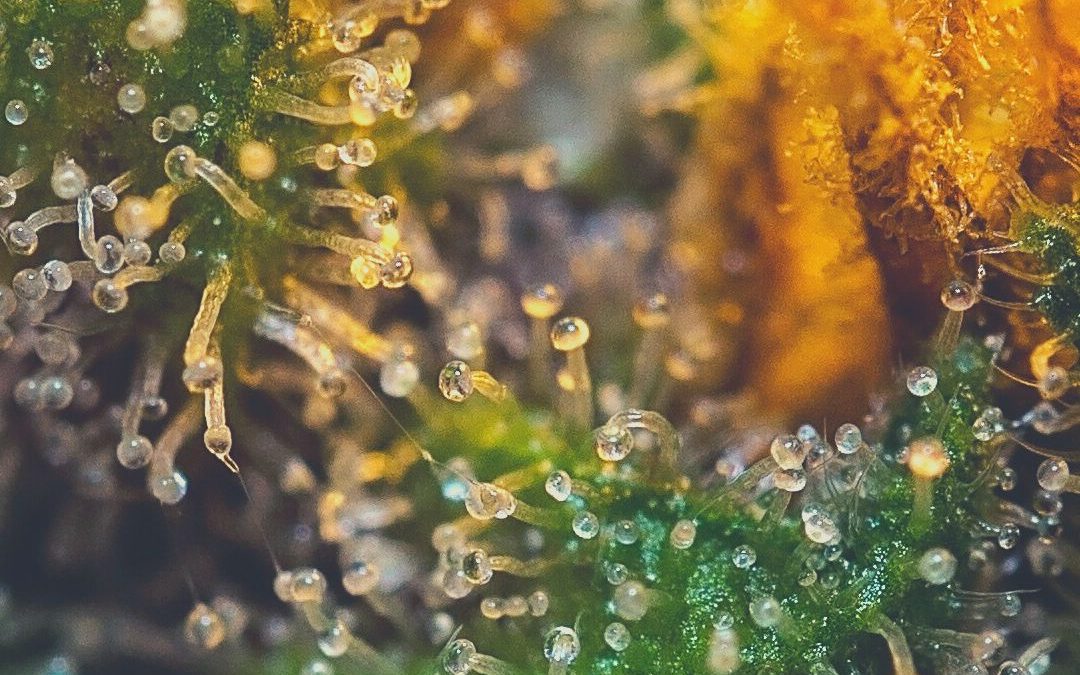
Terpenes are produced in cannabis plants in glands called trichomes. These glands are located on the surface of the plant’s leaves, flowers, and stems, and they contain a range of different compounds, including terpenes. The specific mix of terpenes produced by a cannabis plant is determined by its genetics and the conditions under which it is grown. Different strains of cannabis can have vastly different terpene profiles, which is why different strains can have such distinct aromas and flavors.

In addition to their role in providing the characteristic aromas and flavors of cannabis, terpenes are also believed to have a range of therapeutic effects. Many terpenes have been shown to have anti-inflammatory, antioxidant, and pain-relieving properties, and some research suggests that they may also have the potential to improve mood and reduce anxiety. For example, the terpene limonene, which is found in many citrus fruits and also in some strains of cannabis, has been shown to have anxiety-reducing and mood-elevating effects in animal studies. Another terpene, beta-caryophyllene, which is found in black pepper and certain cannabis strains, has been shown to have anti-inflammatory effects in animal studies.

While more research is needed to fully understand the potential therapeutic effects of terpenes, many people are already using cannabis products that are rich in these compounds to help manage a range of health conditions. For example, some people use cannabis strains that are high in the terpene linalool, which is also found in lavender, to help with anxiety and insomnia. Others may use strains that are high in the terpene myrcene, which is found in mangoes and some cannabis strains, to help with pain and inflammation.

In conclusion, terpenes are fascinating compounds that are responsible for the characteristic aromas and flavors of cannabis. These compounds are produced in cannabis plants in glands called trichomes, and their specific mix is determined by the plant’s genetics and the conditions under which it is grown. In addition to their role in providing the distinct aromas and flavors of different cannabis strains, terpenes are also believed to have a range of potential therapeutic effects, including anti-inflammatory, antioxidant, and pain-relieving properties. While more research is needed to fully understand the potential health benefits of terpenes, many people are already using cannabis products that are rich in these compounds to help manage a range of health conditions.

.

Check out more articles like this here.

To learn more about cannabinoids, check out Cannabinoids. What is the latest research?

Follow us on LinkTree

To watch cannabis videos click here


Latest research on cannabinoids will blow your mind! (2023)

Latest research on cannabinoids will blow your mind! (2023)

Latest research on cannabinoids will blow your mind!

Cannabis is a plant that has been used for centuries for a variety of purposes, including recreational use, medicinal use, and industrial use. The plant contains over 100 chemical compounds known as cannabinoids, which are thought to be responsible for many of its effects. The two most well-known cannabinoids are tetrahydrocannabinol (THC) and cannabidiol (CBD). THC is the psychoactive compound that is responsible for the “high” associated with cannabis use, while CBD is a non-psychoactive compound that is believed to have a number of therapeutic effects.

There have been numerous studies on cannabinoids, the chemical compounds found in cannabis, in recent years. These studies have focused on a variety of topics, including the potential therapeutic effects of cannabinoids, the mechanisms by which they act in the body, and the risks and benefits of their use.

Cannabinoids. What is the latest research?

One area of active research is the potential use of cannabinoids in the treatment of various medical conditions. For example, some studies have suggested that the cannabinoid cannabidiol (CBD) may be effective in reducing anxiety, improving sleep, and reducing inflammation. Other studies have suggested that CBD may have potential as a treatment for conditions such as epilepsy, multiple sclerosis, and chronic pain.

Latest research on cannabinoids will blow your mind!

Another area of active research is the potential therapeutic effects of the endocannabinoid system, a network of receptors and signaling molecules found throughout the body that plays a role in many physiological processes. Researchers are exploring the role of the endocannabinoid system in various conditions, including addiction, anxiety, and pain, and are developing drugs that target the endocannabinoid system as a potential treatment option.

https://partakecannabis.ca/official-guide-to-craft-cannabis-in-canada/

In recent years, there has been a growing interest in the potential therapeutic benefits of cannabinoids, particularly CBD. A number of studies have suggested that CBD may be effective in reducing anxiety, improving sleep, and reducing inflammation (1, 2). Other studies have suggested that CBD may have potential as a treatment for conditions such as epilepsy, multiple sclerosis, and chronic pain (3, 4). Latest research on cannabinoids will blow your mind! 

The endocannabinoid system, a network of receptors and signaling molecules found throughout the body, plays a role in many physiological processes and is thought to be involved in the therapeutic effects of cannabinoids. The endocannabinoid system is made up of two types of receptors: CB1 receptors, which are primarily found in the brain and central nervous system, and CB2 receptors, which are primarily found in the immune system. When cannabinoids bind to these receptors, they can alter the release of neurotransmitters and other signaling molecules, which can have a variety of effects on the body (5).

While the potential therapeutic benefits of cannabinoids are the subject of much research and debate, it is important to note that the use of cannabis and cannabinoid products also carries risks. Cannabis use can have a number of negative side effects, including impaired memory and cognitive function, increased risk of mental health issues such as anxiety and psychosis, and increased risk of respiratory problems when smoked (6). It is also important to note that cannabis is still a controlled substance in many parts of the world, and its possession and use may be illegal.

Despite the potential risks and legal considerations, the use of cannabis and cannabinoid products is growing in popularity, particularly as more and more countries legalize or decriminalize their use. As research continues to explore the potential therapeutic benefits of cannabinoids, it is likely that we will see an increase in the availability of cannabinoid-based products and a greater understanding of their risks and benefits.

References:

  1. Crippa, J. A., Derenusson, G. N., Ferrari, T. B., Wichert-Ana, L., Duran, F. L., Martin-Santos, R., … & Zuardi, A. W. (2011). Neural basis of anxiolytic effects of cannabidiol (CBD) in generalized social anxiety disorder: a preliminary report. Journal of Psychopharmacology, 25(1), 121-130.
  2. Shannon, S., Opila-Lehman, J. (2016). Effectiveness of cannabidiol oil for pediatric anxiety and insomnia as part of posttraumatic stress disorder: A case report. The Permanente Journal, 20(4), 16-001.
  3. Devinsky, O., Cilio, M. R., Cross, H., Fernandez-Ruiz, J., French, J., Hill, C., … & Weber, J. (2014). Cannabidiol: pharmacology and potential therapeutic role in epilepsy and other neuropsychiatric disorders. Epilepsia, 55(6), 791-802.
  4. Blake, D. R., Robson, P., Ho, M., Jubb, R. W.,
Follow us on social at https://www.instagram.com/partakecanada
https://www.facebook.com/Partakecanada
Access the Store Locator here